Hiring the wrong gutter installation contractor can lead to leaks, water damage, and costly repairs down the road. Your gutters are a critical part of your home’s drainage system, and getting them installed correctly the first time matters more than most homeowners realize. A poor installation job doesn’t just look bad — it can compromise your fascia board, foundation, and landscaping over time.
The good news is that finding a reliable, skilled contractor isn’t complicated if you know what to look for. This guide walks you through every step of the process, from understanding your specific needs to spotting red flags before you sign anything. Whether you’re replacing old gutters or installing a system on a new build, the same principles apply.
Taking a little extra time upfront to vet your options properly will save you significant money and frustration. A trustworthy contractor will be transparent, licensed, insured, and happy to answer your questions. Let’s get into exactly how to find one.
Understanding Your Gutter Needs Before Hiring
Before you contact a single contractor, it helps to have a clear picture of what your home actually needs. Walking into the process informed means you’ll ask better questions and recognize when a contractor is giving you solid advice versus just upselling you.
Assessing Your Home, Roofline, and Drainage Issues
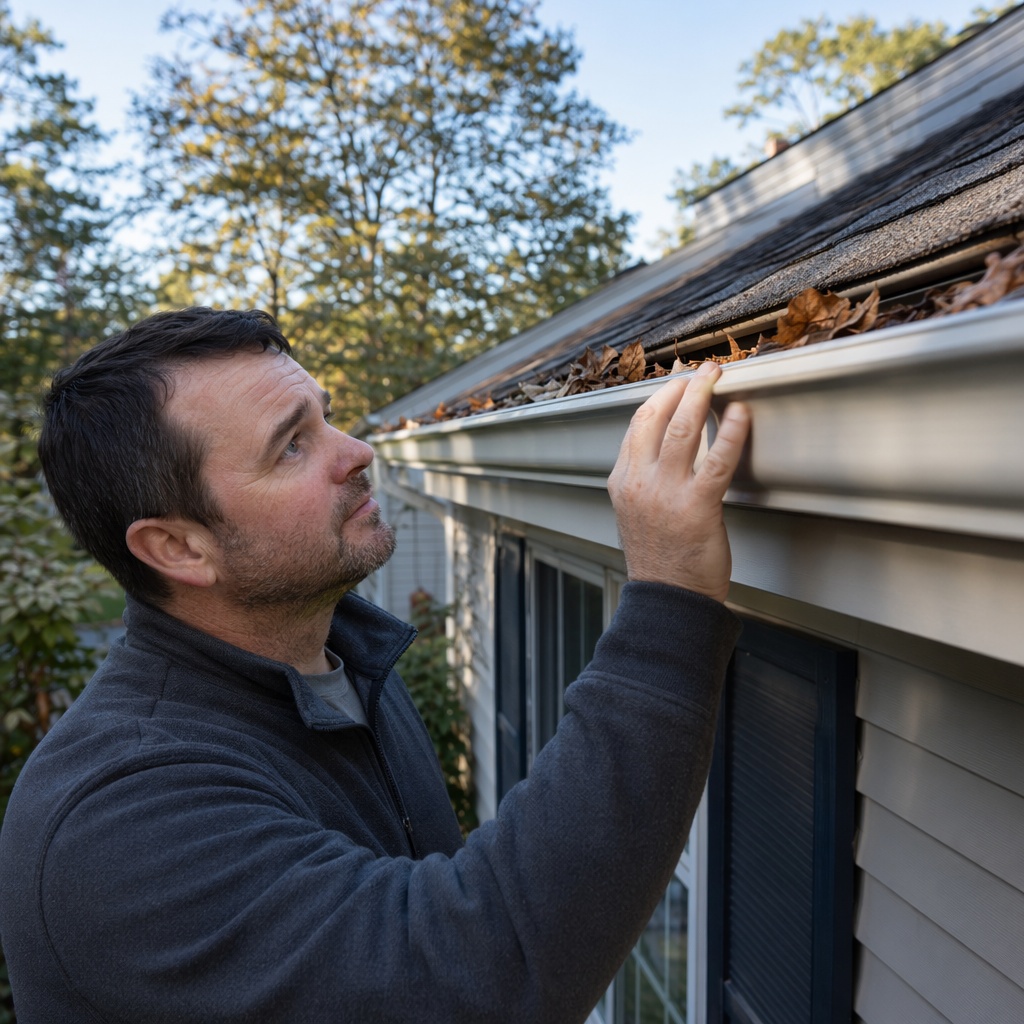
Start by looking at your current gutter system and identifying any obvious problems. Are there sections pulling away from the fascia board? Do you notice pooling water near your foundation after rain? These observations will help you communicate clearly with contractors about the scope of work needed.
Your roofline plays a big role in determining what kind of gutter system will work best. Homes with complex rooflines, multiple valleys, or steep pitches require more precise installation work and more materials. If you have a two-story home, the complexity increases further — understanding what gutter systems work best for multi-level homes can help you have a more informed conversation with potential contractors.
Roof drainage patterns also affect where downspouts need to be placed. A good contractor will assess your property’s grading and identify the best exit points for water to flow away from your home’s foundation.
| Home Feature | What to Assess | Why It Matters |
|---|---|---|
| Roofline complexity | Number of angles and valleys | Affects installation difficulty and cost |
| Fascia board condition | Rot, damage, or instability | May need repair before gutters are hung |
| Existing drainage issues | Pooling water, erosion near foundation | Determines downspout placement needs |
| Tree coverage | Overhanging branches and debris volume | Influences gutter guard recommendations |
| Home height | Single vs. multi-story | Impacts labor requirements and safety gear |
Deciding on Gutter Types, Materials, and Add‑ons
Gutter materials vary widely in price, durability, and maintenance requirements. Aluminum gutters are the most popular choice for most homes — they’re lightweight, rust-resistant, and cost-effective. Vinyl gutters are budget-friendly but can crack in cold climates. Copper gutters offer a premium aesthetic and exceptional longevity, though they come at a significantly higher price point.
Seamless gutters are worth serious consideration. Unlike sectional gutters, they’re custom-fabricated on-site to fit your home’s exact measurements, which dramatically reduces the risk of leaks at joints. They’re the preferred option for most professional gutter installation projects today.
Gutter guards are another add-on to think about before you start collecting quotes. If your home is surrounded by trees, gutter guards can reduce how often you need gutter cleaning and prevent clogs that lead to overflow and water damage prevention failures. Knowing what you want ahead of time helps you compare contractor quotes on equal footing.
Researching and Shortlisting Gutter Contractors
Once you know what you need, it’s time to find contractors worth talking to. Don’t just go with the first name that appears in a search result. A little research upfront separates the professionals from the fly-by-night operators.
Finding Local Specialists and Checking Reviews
A local contractor is almost always a better choice than a national chain or an out-of-town crew. Local specialists understand regional weather patterns, building codes, and the specific drainage challenges common to your area. They also have a reputation to protect in your community, which tends to keep their work quality higher.
Start by searching for gutter installation specialists in your area and checking their profiles on Google, Yelp, and the Better Business Bureau. The BBB is particularly useful for identifying contractors with unresolved complaints or a pattern of poor customer service. Look for contractors with a solid volume of reviews, not just a handful of five-star ratings.
Pay attention to how contractors respond to negative reviews — a professional who addresses complaints calmly and constructively is a much better sign than one who argues with customers publicly.
Requesting References and Comparing Past Projects
Any reputable contractor should be willing to provide references from past clients. Don’t skip this step. Calling two or three previous customers takes only a few minutes and can reveal a lot about how a contractor handles their work, their timeline, and any issues that came up during the project.
Ask references specifically about whether the contractor showed up on time, cleaned up after the job, and honored their warranty when problems arose. These details matter more than a polished sales pitch.
If possible, ask to see photos of completed projects or visit a nearby installation the contractor has done. Seeing their actual work gives you a much clearer sense of quality than any website or brochure ever could.
Verifying Credentials, Insurance, and Warranties
This is the section where many homeowners cut corners — and it’s exactly where the most costly mistakes happen. Verifying credentials isn’t optional. It’s a non-negotiable part of protecting yourself and your home.
Licensing, Insurance, and Compliance with Local Codes
Always confirm that a contractor holds a valid license in your state or municipality before moving forward. Licensing requirements vary by location, but a licensed contractor has met minimum standards for competency and is accountable to a regulatory body. An unlicensed contractor offers you no such protection.
Insurance is equally critical. Your contractor should carry both general liability insurance and workers’ compensation coverage. If a worker is injured on your property and the contractor lacks workers’ comp, you could be held financially responsible. Ask for certificates of insurance and verify them directly with the insurer if you have any doubts.
Compliance with local building codes is another area to confirm. Gutter slope, downspout sizing, and attachment methods are all governed by local regulations in many areas. A contractor who ignores these codes could leave you with a system that fails inspection or causes problems when you try to sell your home.
Understanding Material and Workmanship Warranties
Warranties come in two forms: material warranties from the manufacturer and workmanship warranties from the contractor. Both matter, and you should understand exactly what each covers before signing anything.
A material warranty covers defects in the gutter product itself — things like premature rust, cracking, or coating failure. A workmanship warranty covers the quality of the installation, including issues like improper gutter slope, leaking seams, or gutters pulling away from the fascia. Workmanship warranties typically range from one year to a lifetime, depending on the contractor.
Get all warranty details in writing. Verbal promises are worth nothing if a dispute arises later. A written contract that clearly outlines warranty terms is a sign of a professional operation.
Getting Quotes, Asking Questions, and Spotting Red Flags
Collecting and comparing quotes is where the process gets practical. This stage gives you the clearest picture of what you’ll actually pay and which contractor is the best fit for your project.
How to Compare Written Estimates and Timelines
Always get at least three written estimates before making a decision. A written estimate should itemize labor, materials, removal of old gutters, and any additional work like fascia board repair. If a quote is vague or just gives you a single lump sum, ask for a breakdown. Understanding the cost per linear foot for gutter installation helps you quickly identify whether a quote is reasonable or inflated.
Compare timelines as well as prices. A contractor who can start immediately might be cutting corners elsewhere, while one with a reasonable wait time is often in demand for good reasons. Ask how long the installation will take and whether they’ll complete it in a single visit.
The lowest quote isn’t always the best deal. Factor in materials quality, warranty coverage, and the contractor’s reputation when making your final comparison.
Essential Questions to Ask Before You Sign
Asking the right questions before you commit can prevent a lot of headaches. Here are the key ones to cover:
- Are you licensed and insured in this state?
- Do you offer free estimates, and is this quote binding?
- What gutter materials do you recommend for my home and why?
- Will you install seamless gutters or sectional gutters?
- How do you handle fascia board damage discovered during installation?
- What does your workmanship warranty cover and for how long?
- Who will actually perform the work — your employees or subcontractors?
- How do you ensure proper gutter slope for drainage?
A contractor who answers these questions clearly and confidently is demonstrating professionalism. One who gets defensive or vague should raise concerns.
Common Warning Signs of an Unreliable Contractor
Knowing what to avoid is just as valuable as knowing what to look for. Watch out for these red flags:
- Demanding full payment upfront before any work begins
- Offering an unusually low bid with no clear explanation
- Refusing to provide proof of license and insurance
- Pressuring you to sign immediately without time to review
- No physical business address or local presence
- Unwillingness to provide a written contract
- No references or only anonymous testimonials
- Poor communication or slow response times during the quote process
Trust your instincts. If something feels off during the quoting process, it will likely feel worse once the work begins.
Conclusion
Choosing the right gutter installation contractor comes down to doing your homework, asking the right questions, and refusing to rush the process. A properly installed gutter system protects your home from water damage, preserves your foundation, and adds long-term value. For a full picture of what the project might cost you, reviewing a detailed breakdown of gutter installation pricing is a smart starting point before you collect quotes.
The contractors worth hiring are the ones who are transparent, credentialed, and willing to stand behind their work with a solid warranty. Take your time, compare your options carefully, and you’ll end up with a system that performs well for years to come.
FAQ
What is the most important qualification to look for in a gutter contractor?
Licensing and insurance are the most critical qualifications. A licensed contractor has met local competency standards, and proper insurance protects you from liability if something goes wrong during the installation. Without both, you’re taking on significant financial and legal risk.
How many estimates should I get before choosing a gutter installer?
Getting at least three written estimates gives you a solid basis for comparison. It helps you understand the fair market rate for your project, identify outliers on both the high and low end, and evaluate which contractor offers the best overall value — not just the lowest price.
Should I hire a gutter specialist or a general roofing contractor?
A dedicated gutter specialist is usually the better choice. They focus exclusively on gutter installation, repair, and maintenance, which means deeper expertise and more refined technique. General roofing contractors can do the work, but a specialist’s experience with gutter slope, downspout placement, and seamless gutter fabrication is hard to match.