

Gutters are one of those home features most people ignore until something goes wrong. They sit quietly along your roofline, channeling rainwater away from your foundation, walls, and landscaping. But without regular attention, they stop doing their job entirely, and the consequences can be expensive.
Most homeowners underestimate how quickly gutters can become clogged with leaves and debris, dirt, and even small animals. A gutter that looks fine from the ground can be completely blocked inside. That blockage leads to overflowing gutters, water damage, and a long list of structural problems that could have been avoided with a simple cleaning schedule.
This guide covers everything you need to know about gutter cleaning frequency, what affects how often your gutters need attention, and how to decide between doing it yourself or hiring a professional. If you are unsure whether your current gutters are even the right fit for your home, understanding the differences between gutter styles can also help you make smarter maintenance decisions going forward.
Why Gutter Cleaning Frequency Matters
The role gutters play in protecting your home
Gutters do more than catch rainwater. They direct that water through downspouts and away from your home’s foundation, preventing erosion, flooding, and long-term structural damage. Without functioning gutters, rainfall would pour directly off your roof and pool around your home’s base.
A well-maintained gutter system protects your fascia boards, siding, windows, and foundation simultaneously. It is one of the most cost-effective forms of home exterior maintenance available. Neglecting this system puts multiple parts of your home at risk at once.
| Area Protected | Risk Without Gutters | Severity |
|---|---|---|
| Foundation | Foundation damage, cracking, flooding | High |
| Roof | Roof damage, rot, leaks | High |
| Fascia Boards | Fascia board damage, wood rot | Medium |
| Siding | Mold and mildew, staining | Medium |
| Landscaping | Erosion, plant damage | Low to Medium |
What happens when gutters are not cleaned regularly
Clogged gutters are a chain reaction waiting to happen. Water backs up, sits stagnant, and begins to overflow. That overflow runs down your exterior walls, soaks into your foundation, and creates the perfect conditions for mold and mildew growth inside and outside your home.
Over time, the weight of wet debris causes gutters to sag and pull away from the fascia board. Pest infestation becomes a real concern too, since standing water and decomposing leaves attract mosquitoes, rodents, and birds looking for nesting spots.
Roof damage is another serious outcome. When water cannot drain properly, it backs up under shingles and into the roof deck, causing rot and leaks that are far more expensive to fix than a routine gutter cleaning.
Signs your gutters need immediate attention
You do not always need to climb a ladder to spot trouble. Several visible signs indicate your gutters need cleaning right away.
- Water spilling over the sides during or after rainfall
- Sagging or pulling away from the roofline
- Visible plant growth or weeds sprouting from gutters
- Staining or streaking on your siding or exterior walls
- Pooling water near your foundation after rain
- Pest activity around the roofline
Any one of these signs is reason enough to schedule a gutter inspection immediately. Waiting makes the problem worse and the repair bill larger.
How Often Should You Clean Your Gutters? General Guidelines
Standard recommendations for most homes
The widely accepted standard for gutter maintenance is twice a year. Most homes benefit from one cleaning in late fall after the majority of leaves have dropped, and another in spring after winter debris and seed pods have accumulated.
This twice-a-year schedule works well for average homes in moderate climates with a typical number of trees nearby. It keeps downspouts clear, prevents major blockages, and gives you a chance to spot early signs of gutter repair needs before they escalate.
Annual maintenance alone is not enough for homes in heavily wooded areas or regions with intense seasonal rainfall. Those homes need more frequent attention, which we will cover shortly.
Seasonal cleaning schedules and timing
Timing matters as much as frequency. A fall season cleaning should happen after most leaves have fallen but before freezing temperatures arrive. Cleaning too early in fall means you will still have leaves dropping into freshly cleared gutters.
Spring cleaning should happen once the last frost has passed and before heavy spring rainfall begins. This removes winter debris, checks for any damage caused by ice and snow, and prepares your system for the wet months ahead.
- Fall: Clean after peak leaf drop, before first freeze
- Spring: Clean after last frost, before rainy season
- Summer: Optional inspection after major storms
- Winter: Check for ice dams in cold climates
Situations that call for more frequent cleaning
Some homes simply need more frequent gutter cleaning than the standard twice-a-year schedule. If your property has pine trees nearby, you are dealing with needle drop nearly year-round, which clogs gutters faster than seasonal leaf fall.
Homes in areas with heavy rainfall or frequent storms should schedule additional cleanings after major weather events. If you have experienced significant roof damage or recent construction nearby, debris accumulation will be higher than normal.
Homes with older gutters or a history of poor maintenance may also need more frequent gutter inspections until the system is fully restored to good working order.
Factors That Affect Gutter Cleaning Frequency
Climate and weather patterns
Where you live has a direct impact on how often your gutters need attention. Homes in regions with heavy rainfall need clear, functional gutters at all times. A clog during a major rainstorm can cause immediate water damage to your foundation and interior.
Homes in dry climates face different challenges. Dust, dirt, and occasional debris still accumulate, but the urgency is lower. However, when rainfall does arrive, even partially clogged gutters can overflow quickly.
Cold climates introduce the risk of ice dams, which form when water trapped in clogged gutters freezes and expands, causing roof damage and fascia board damage that can be severe.
Trees, foliage, and local environment
Trees near your home are the single biggest factor in gutter cleaning frequency. Deciduous trees drop leaves in fall, but they also release seeds, pollen, and small branches throughout the year. Pine trees shed needles constantly.
The closer the trees are to your roofline, the faster your gutters will fill. If you have multiple large trees overhanging your roof, you may need to clean your gutters three to four times per year rather than twice.
Even homes without trees on their own property can be affected by neighboring trees, especially in windy areas where leaves and debris travel significant distances.
Roof type, house design, and gutter materials
Steep roofs shed debris faster than low-pitched roofs, which means gutters on steep-roofed homes may fill more quickly. Complex roof designs with multiple valleys and angles create more collection points for leaves and debris.
Your gutter material also plays a role. Aluminum and vinyl gutters are lightweight and can sag under heavy debris loads, while steel and copper gutters are more durable. If you are curious about how long your current system should last, learning what affects seamless gutter lifespan gives you a clearer picture of what to expect from your investment.
Gutter size matters too. Wider gutters handle more volume before overflowing, which can reduce the urgency of cleaning in some situations.
Age of the home and previous maintenance history
Older homes often have gutters that have been neglected for extended periods. Years of compacted debris, rust, and minor damage can make cleaning more difficult and may reveal the need for gutter repair or full replacement.
If you have recently purchased a home and do not know the maintenance history, start with a thorough gutter inspection before assuming the standard schedule applies. You may find significant buildup that requires immediate attention.
Homes with a consistent annual maintenance history are easier to maintain going forward. Regular cleaning prevents the kind of deep compaction that makes cleaning a much bigger job.
DIY vs. Professional Cleaning: Practical Considerations
Pros and cons of cleaning gutters yourself
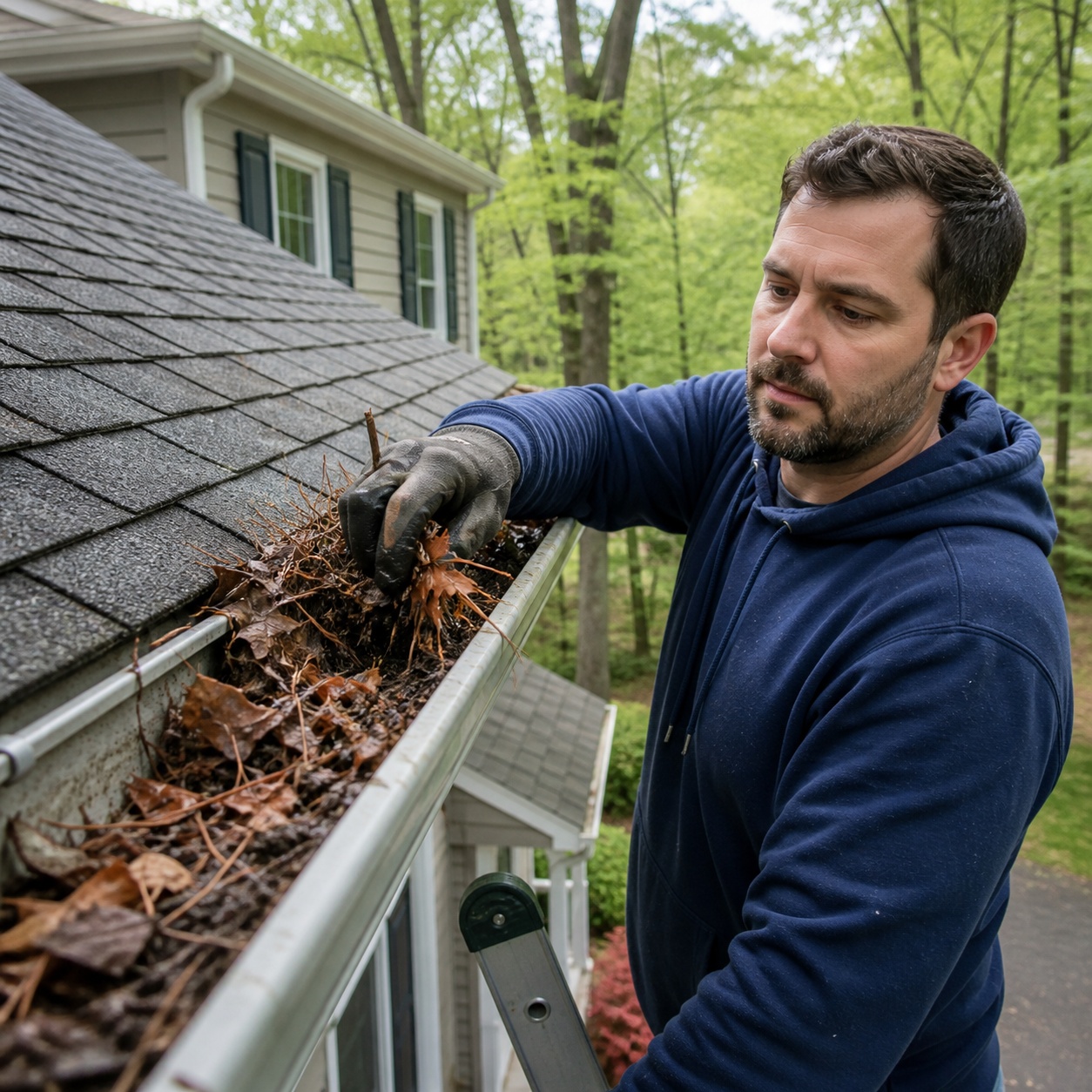
DIY gutter cleaning saves money and gives you direct visibility into the condition of your gutters. You can spot early signs of damage, check downspouts for blockages, and assess whether gutter guards might be worth installing.
The downsides are real, though. Working at height carries genuine risk, especially on multi-story homes or steep rooflines. Without proper equipment and experience, it is easy to miss blockages deep in downspouts or overlook early signs of fascia board damage.
- Pros: Lower cost, immediate scheduling, direct inspection
- Cons: Safety risk, potential to miss hidden damage, physically demanding
When to hire a professional and what to expect
Professional gutter cleaning is worth the investment for homes with complex rooflines, significant height, or gutters that have not been cleaned in a long time. Professionals have the tools to clear downspouts fully, flush the system with water, and identify damage you might miss.
Expect a professional service to include debris removal, downspout clearing, a basic gutter inspection, and a report on any issues found. Some services also offer minor gutter repair as part of the visit.
Hiring a professional once or twice a year is far cheaper than repairing water damage to your foundation or replacing rotted fascia boards.
Safety tips and essential tools for homeowners
Ladder safety is the most critical concern for any homeowner attempting DIY gutter cleaning. Always use a stable, properly rated ladder and have someone present to hold it steady. Never lean out beyond the ladder’s sides.
Essential tools for the job include:
- A sturdy extension ladder rated for your weight
- Heavy-duty work gloves
- A gutter scoop or small trowel
- A garden hose with a spray nozzle
- A bucket or tarp for debris collection
- Safety glasses
Flush downspouts with water after clearing debris to confirm they are fully open. If water backs up, the downspout may have a deeper blockage requiring a plumber’s snake or professional help.
Cost considerations and long-term value
Professional gutter cleaning typically costs between fifty and two hundred fifty dollars depending on home size, height, and gutter condition. That cost is minimal compared to foundation damage repair, which can run into thousands of dollars.
Installing the right type of gutter guard system can reduce cleaning frequency and lower long-term maintenance costs. Guards do not eliminate the need for cleaning entirely, but they significantly reduce how often it is needed.
Investing in regular gutter maintenance is one of the highest-return home maintenance activities available. It protects your roof, foundation, siding, and interior simultaneously.
Conclusion
Gutter maintenance is not complicated, but it does require consistency. Cleaning twice a year covers most homes, while properties with heavy tree coverage or intense weather patterns need more frequent attention. The key is building a schedule that matches your specific home and environment rather than guessing.
Whether you handle it yourself or hire a professional, staying on top of gutter cleaning frequency protects your home from water damage, roof damage, foundation damage, and a long list of costly repairs. If you notice any warning signs that your gutters may need replacing, do not delay addressing them. A small investment in regular maintenance pays for itself many times over.
FAQ
Can I clean my gutters less often if I install gutter guards?
Gutter guards reduce how much leaves and debris enter your gutters, which can extend the time between cleanings. However, they do not make gutter maintenance unnecessary. Fine debris, seeds, and dirt still accumulate over time, and downspouts still need periodic inspection. Most homes with gutter guards can reduce cleaning to once a year, but skipping it entirely is not recommended.
What is the best time of year to schedule gutter cleaning?
The fall season and spring are the two best times for gutter cleaning. Fall cleaning should happen after peak leaf drop but before freezing temperatures. Spring cleaning should occur after the last frost and before heavy rainfall begins. These two windows cover the periods of highest debris accumulation and prepare your system for the most demanding weather seasons.
How do I know if my gutters are overdue for cleaning?
Overflowing gutters during rainfall are the most obvious sign. Other indicators include visible plant growth inside the gutter channel, sagging sections, staining on your exterior walls, and pooling water near your foundation. If you cannot remember the last time your gutters were cleaned, schedule a gutter inspection right away. Waiting only increases the risk of water damage and more expensive repairs down the line.