Gutters are one of those home features most people ignore until something goes wrong. A failed gutter system can lead to serious water damage, foundation erosion, and rotted fascia boards — all of which cost far more to fix than a quality gutter installation would have. Choosing the right material from the start is one of the smartest decisions a homeowner can make.
The gutter material you choose directly determines how long your system will last, how much maintenance it needs, and what it will cost you over time. Some materials hold up for decades with minimal care. Others start showing wear within a few years, especially in harsh climates. Understanding the differences helps you avoid costly gutter replacement down the road.
This guide breaks down every major gutter material by durability, cost, and real-world performance. If you want a system that lasts and protects your home effectively, the information here will help you make a confident, informed choice.
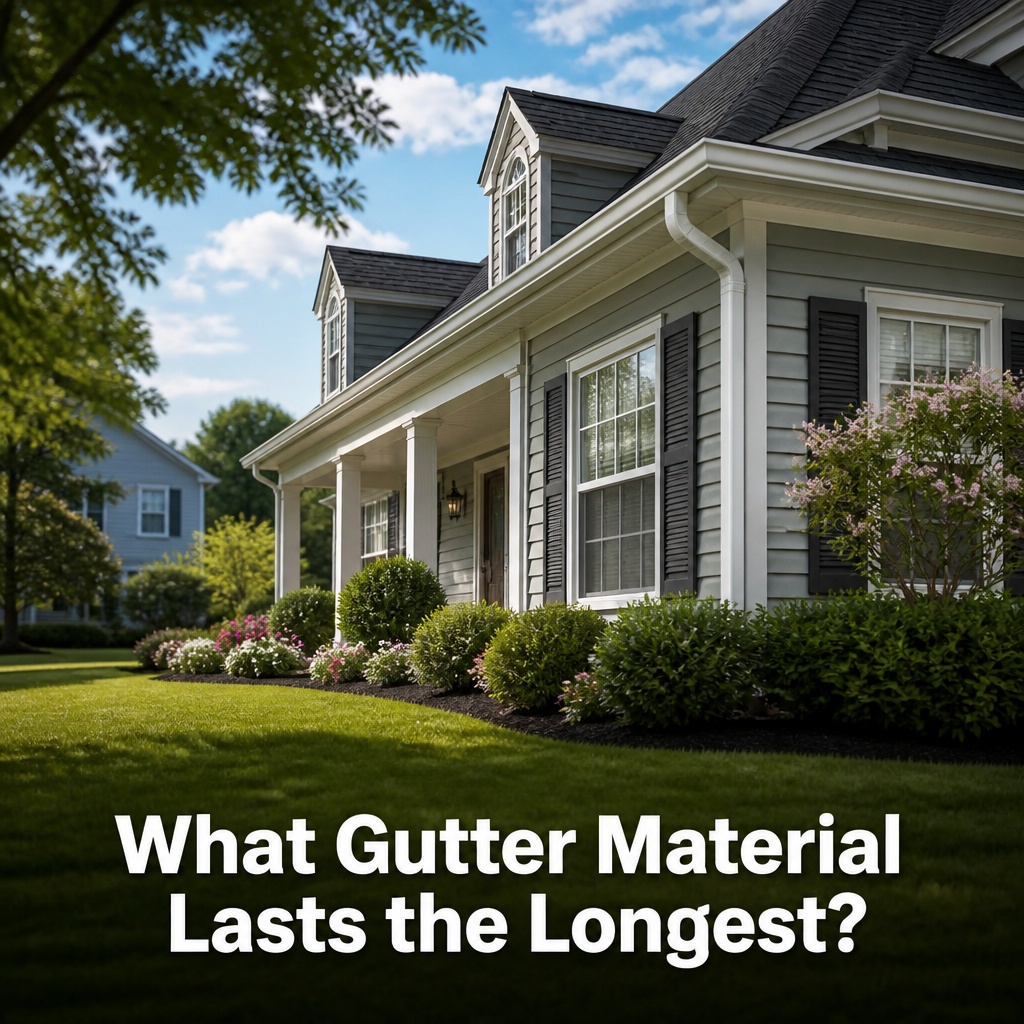
What Gutter Material Lasts the Longest?
How gutter lifespan is measured
Gutter lifespan is measured by how long a material maintains structural integrity and functional performance under normal weather exposure. That includes resistance to corrosion, physical warping, cracking, and joint failure. A gutter that looks fine but leaks at every seam has effectively failed, regardless of how long it has been installed.
Gutter durability depends on material composition, coating quality, and how well the system handles thermal expansion. Metals that expand and contract significantly with temperature changes tend to develop cracks or loose joints over time. Materials with natural corrosion resistance hold up far better in wet or coastal environments.
The table below gives a quick overview of average gutter lifespan by material under typical conditions.
| Material | Average Lifespan | Corrosion Resistance | Relative Cost |
|---|---|---|---|
| Copper | 50+ years | Excellent | Very High |
| Zinc | 40–50 years | Excellent | High |
| Stainless Steel | 30–50 years | Very Good | High |
| Aluminum | 20–30 years | Good | Moderate |
| Galvanized Steel | 15–20 years | Moderate | Moderate |
| Vinyl | 10–20 years | Poor | Low |
Why copper, zinc, and stainless steel are the top durability options
Copper, zinc, and stainless steel consistently outperform other materials because they resist corrosion at a fundamental level. They do not rely on surface coatings or paint to stay protected. Their durability is built into the metal itself, which means damage to the surface does not automatically lead to rust or structural failure.
These materials also handle temperature fluctuations better than vinyl or standard steel. They expand and contract at rates that do not compromise joint integrity over time. That stability is a major reason why premium metal gutters rarely need gutter repair in the way that cheaper materials do.
For homeowners who want a system that genuinely lasts, these three metals represent the top tier of gutter material comparison options available on the market.
Comparing the Most Durable Gutter Materials
Copper: longest-lasting premium choice
Copper gutters are widely regarded as the gold standard for gutter durability. They can last well over fifty years with proper installation and basic maintenance. Over time, copper develops a natural patina that actually strengthens its surface and adds a distinctive aesthetic to the home exterior.
Copper requires no painting, no coating, and no chemical treatment to maintain its corrosion resistance. It handles heavy rainfall, snow loads, and coastal salt air without degrading. The material is also naturally resistant to algae and moss growth, which reduces gutter cleaning frequency compared to other options.
The main drawback is gutter cost. Copper is significantly more expensive than aluminum or vinyl, both in material and labor. However, for homeowners who plan to stay long-term, the reduced need for gutter replacement makes it a financially sound investment.
Zinc and stainless steel: strong alternatives with trade-offs
Zinc gutters offer performance very close to copper at a slightly lower price point. Like copper, zinc develops a protective patina over time that shields the metal from moisture and corrosion. Zinc is especially popular in European architecture and is gaining traction in North American markets for its longevity and low maintenance requirements.
Stainless steel gutters are another excellent option, particularly in areas with extreme weather. They resist rust, handle heavy debris loads well, and maintain structural integrity across a wide temperature range. Stainless steel is heavier than aluminum, which means installation requires more care and typically costs more in labor.
Both zinc and stainless steel are strong performers in gutter material comparison, but they are less widely available than copper or aluminum. Finding experienced installers who work with these materials may require more research. If you are evaluating contractors, reviewing the right questions to ask before hiring a gutter installer can help you identify who has real experience with premium metals.
Why aluminum, steel, and vinyl usually wear out sooner
Aluminum gutters are the most popular choice in residential construction, and for good reason. They are lightweight, affordable, and resistant to rust. Seamless aluminum gutters in particular offer solid performance with fewer leak points than sectional gutters. However, aluminum is softer than copper or zinc and can dent, warp, or pull away from the fascia board under heavy impact or ice buildup.
Galvanized steel gutters are stronger than aluminum but vulnerable to rust once their protective coating wears away. In high-moisture climates, this can happen faster than expected. Regular gutter maintenance and repainting can extend their life, but they still fall short of premium metals in long-term durability.
Vinyl gutters are the least durable option. They crack in cold temperatures, warp in intense heat, and fade with UV exposure. While their low gutter cost makes them attractive for budget projects, they typically require gutter replacement far sooner than any metal alternative.
What Affects Gutter Longevity in Real Homes
Climate, moisture, and corrosion risk
Climate is one of the most significant factors in gutter lifespan. Homes in coastal areas face constant salt air exposure, which accelerates corrosion in standard steel and even some aluminum systems. In these environments, copper or zinc gutters are not just a luxury — they are a practical necessity for long-term performance.
Homes in regions with heavy snowfall face different challenges. Ice dams and freeze-thaw cycles put enormous stress on gutter joints and hangers. Materials that maintain flexibility in cold temperatures, like aluminum and copper, handle these conditions better than rigid vinyl or standard steel.
High-humidity climates accelerate rust in galvanized steel and can cause vinyl to soften and sag. Matching your gutter material to your local climate is one of the most important decisions in the selection process.
Installation quality, seam design, and maintenance habits
Even the best gutter material will fail prematurely if it is installed incorrectly. Improper pitch, inadequate hanger spacing, and poorly sealed joints are common installation errors that lead to early gutter repair or full replacement. Seamless gutters eliminate most mid-run seam failures, but the end caps and downspout connections still require careful sealing.
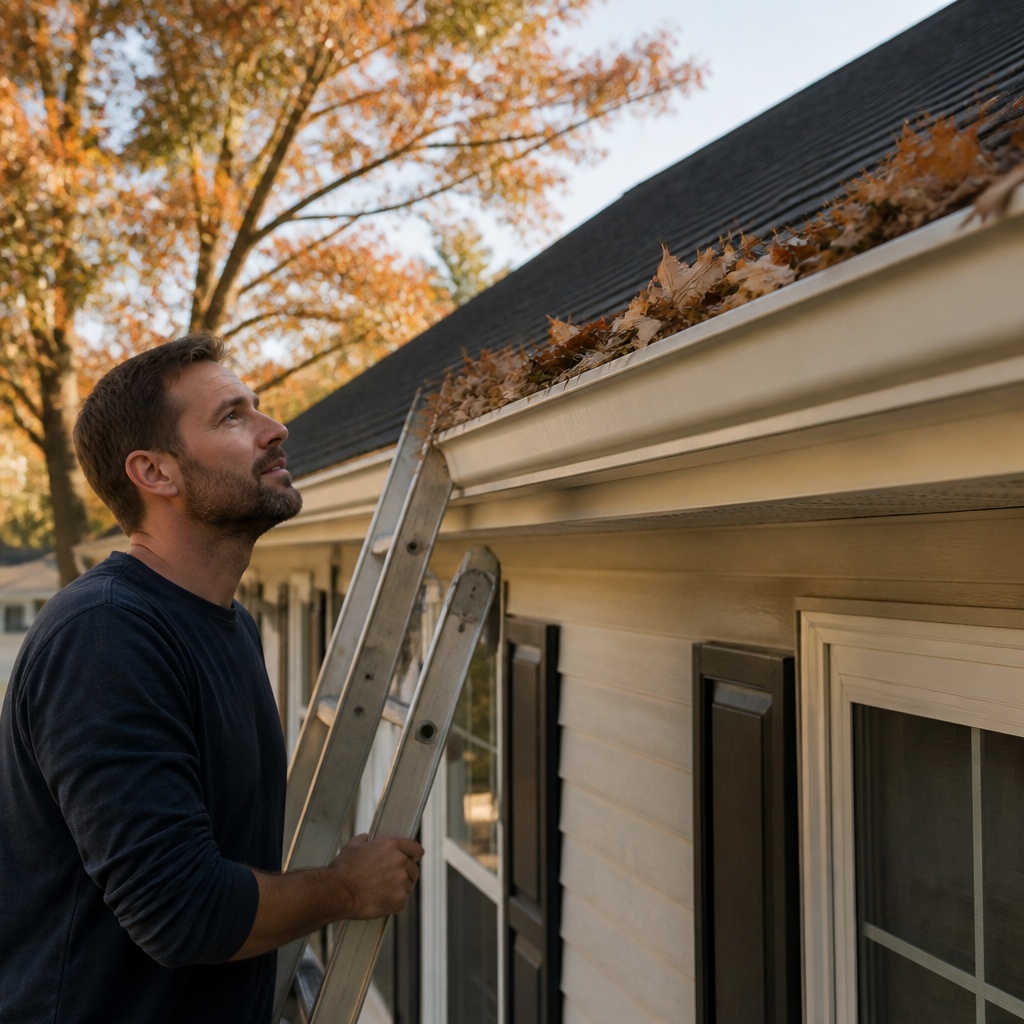
Gutter maintenance habits also play a major role in longevity. Gutters clogged with leaves and debris hold standing water, which accelerates corrosion and adds weight that stresses the fascia board and hangers. Regular gutter cleaning — at minimum twice per year — significantly extends the life of any system. Gutter guards can reduce cleaning frequency, though they do not eliminate it entirely.
Working with a skilled contractor matters enormously. Understanding how to choose a gutter installation contractor who has experience with your chosen material can be the difference between a system that lasts decades and one that fails within a few years.
Roof style, debris load, and drainage performance
Roof pitch and style affect how much water and debris your gutters handle. Steep roofs shed water faster and with more force, which increases stress on gutter joints and downspouts. Homes surrounded by trees face heavier debris loads, which means more frequent gutter cleaning and a higher risk of blockages that cause overflow and water damage.
Downspout placement and sizing also affect how well the system drains. Undersized downspouts create backpressure during heavy rain, which can push water behind the gutter and damage the fascia board or soffit. Roof drainage performance depends on the entire system working together, not just the gutter material itself.
For larger homes with complex rooflines, material selection becomes even more critical. Reviewing options for gutters on a two-story house can help you understand how height, water volume, and structural load factor into the right material choice.
How to Choose the Best Long-Lasting Gutter Material
Balancing lifespan, cost, and appearance
Choosing a gutter material is not just about picking the one that lasts the longest. It also involves balancing upfront gutter cost, aesthetic preferences, and the practical realities of your home’s location and structure. Copper may last the longest, but it is not the right choice for every budget or every home style.
Aluminum offers a strong middle ground for most homeowners. It is durable, widely available, and comes in a range of colors to complement the home exterior. Seamless aluminum gutters in particular provide excellent performance at a reasonable price point. For homeowners who want longevity without the premium price of copper, aluminum is often the most practical answer.
Appearance matters more than many homeowners initially expect. Gutters are a visible part of your home’s exterior, and the material you choose affects curb appeal. Copper develops a beautiful patina. Zinc has a sleek, modern look. Aluminum can be painted to match any trim color.
Best material by home type and budget
Different home types call for different gutter solutions. Historic or high-end homes benefit most from copper or zinc, both for their longevity and their visual character. Standard suburban homes typically perform well with seamless aluminum, which balances cost, durability, and low maintenance effectively.
Budget-conscious homeowners who cannot afford copper or zinc should prioritize seamless aluminum over sectional gutters and avoid vinyl entirely if they live in a climate with temperature extremes. The small additional cost of seamless over sectional gutters pays off quickly in reduced gutter repair and maintenance expenses.
- Historic or luxury homes: copper or zinc for maximum lifespan and aesthetics
- Standard residential homes: seamless aluminum for balanced performance and cost
- Rental or short-term properties: galvanized steel if budget is the primary concern
- Coastal homes: copper or stainless steel for superior corrosion resistance
- Cold-climate homes: aluminum or copper for freeze-thaw flexibility
When higher upfront cost pays off over time
Premium gutter materials cost more upfront, but they often cost less over the full life of the home. A copper gutter system installed once and maintained properly may never need replacement. A vinyl system might need full replacement multiple times over the same period, with each replacement adding labor and material costs.
Gutter replacement is disruptive and expensive. It often involves repairing fascia board damage, repainting, and addressing any water damage that accumulated during system failure. Avoiding that cycle by investing in a durable material from the start is a financially sound strategy for homeowners planning to stay in their home long-term.
The math becomes even clearer when you factor in reduced gutter cleaning, fewer gutter repairs, and lower risk of water damage to the foundation and interior. Premium materials are not just about prestige — they are about reducing total cost of ownership over time.
Conclusion
Copper gutters last the longest, followed closely by zinc and stainless steel. For most homeowners, seamless aluminum offers the best balance of durability, cost, and practicality. Vinyl and standard galvanized steel are the weakest performers and typically result in earlier replacement cycles.
Material choice matters, but so does installation quality, climate suitability, and ongoing maintenance. A premium material installed poorly will still fail early. A mid-range material installed correctly and maintained consistently can serve a home well for decades.
Choose based on your climate, your budget, and how long you plan to stay in your home. The right gutter material is the one that fits all three of those factors — not just the one with the longest lifespan on paper.
FAQ
Do copper gutters always last the longest?
Copper gutters have the highest potential lifespan of any residential gutter material, often exceeding fifty years. However, their actual lifespan depends on installation quality and basic maintenance. Even copper can fail early if installed with poor pitch, inadequate hangers, or improperly sealed joints. Under normal conditions with competent installation, copper consistently outperforms every other option in long-term gutter durability.
Are seamless gutters more durable than sectional gutters?
Seamless gutters are generally more durable because they eliminate the mid-run seams where most leaks originate in sectional systems. Fewer joints mean fewer failure points, less water infiltration behind the fascia board, and reduced maintenance over time. Seamless gutters are available in aluminum, copper, and steel, making them a smart choice regardless of which material you select for your home.
Which gutter material gives the best value for long-term use?
For most homeowners, seamless aluminum offers the best long-term value. It resists corrosion, handles most climate conditions well, and costs significantly less than copper or zinc while still delivering a lifespan of twenty to thirty years with proper care. Copper provides superior longevity but at a much higher upfront gutter cost. The best value depends on your budget, climate, and how long you intend to remain in the home.